Tokyo-based designer working across product and graphic fields. I explore the hidden value in materials and phenomena. Learn more about my work and philosophy here.
Tokyo-based designer working across product and graphic fields. I explore the hidden value in materials and phenomena. Learn more about my work and philosophy here.
2026
PILIYON
PILIYON
2026

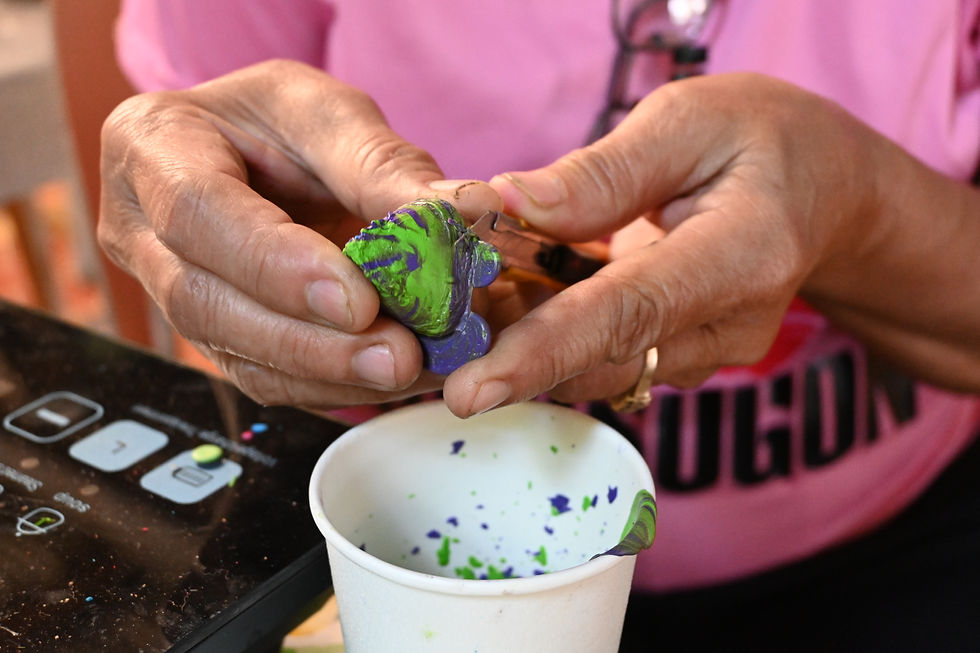
フィリピンのソルソゴン州の特産品であるピリナッツは、食用となる果肉や種子だけでなく、丈夫な殻も地元の工芸品に利用されている。本プロジェクト「PILIYON」は、この自然が生み出した流線型の殻をクレヨンと融合させ、地域のお土産としてデザインした。外形はピリナッツのありのままの曲線を活かした、手に収まりのよい自然なフォルム。断面が特有の三角形を描く形は、使用時に手になじむ。クレヨンを彩るマーブルカラーは、現地でのフィールドワークを通じて採集した色彩から抽出した。ビーチや火山の自然風景、鮮やかな果物やスイーツ、活気にあふれる市場など、フィリピンの豊かな文化と日常を表現している。包装には現地で調達可能な再生紙や、伝統素材であるカラグモイの葉を使用。素材の採取から製造に至るまで、地域の生態系とコミュニティへの敬意を込めた、持続可能なデザインである。
Pili nuts, a specialty of Sorsogon Province in the Philippines, offer more than just edible pulp and seeds; their sturdy shells are also utilized in local handicrafts. The "PILIYON" project transforms these naturally streamlined shells into crayons, designed as local souvenirs. The design preserves the nut's organic curves, resulting in a natural shape that fits comfortably in the hand. Its distinctive triangular cross-section ensures a secure, ergonomic grip during use. The crayons feature marbled colors derived from a palette collected during local fieldwork capturing the essence of the Philippines' rich culture and daily life, from natural landscapes like beaches and volcanoes to vibrant fruits, sweets, and bustling markets. The packaging utilizes locally available recycled paper and karagumoy leaves, a traditional material. From material harvesting to production, the project embodies a sustainable design approach that respects both the local ecosystem and the community.
メンバー:
参加プロジェクト:
国際交流プロジェクト Design for Development(伊藤真一 教授、板東孝明 教授)
協力:
Luningning Baldo (Ning Creation)
Department of Trade and Industry Sorsogon Provincial Office